
إذا كنت تعتقد أن مجرد تركيب أي باب عشوائي سيكفي تحت أشعة الشمس الحارقة التي تصل درجة حرارتها إلى 50 درجة مئوية في منطقة شبه الجزيرة العربية، فإن مثل هذه السذاجة ستكلفك عاجلاً أم آجلاً ثمناً باهظاً من حيث الصيانة. أنظمة العزل الحراري عالية التحمل من SH-EXTRUSION فهي ليست مجرد حيل تهدف إلى تبرير السعر المرتفع؛ بل تُعد خط دفاعك الوحيد في مواجهة التآكل المستمر للبيئة المادية. ومن خلال مراجعة شاملة لمعايير الاختيار ومنطق التكوين واستراتيجيات النشر الإقليمية، سنرشدك لتجنب المزالق الخفية وتحديد المواصفات المعمارية التي تصمد حقًا أمام اختبار الزمن.
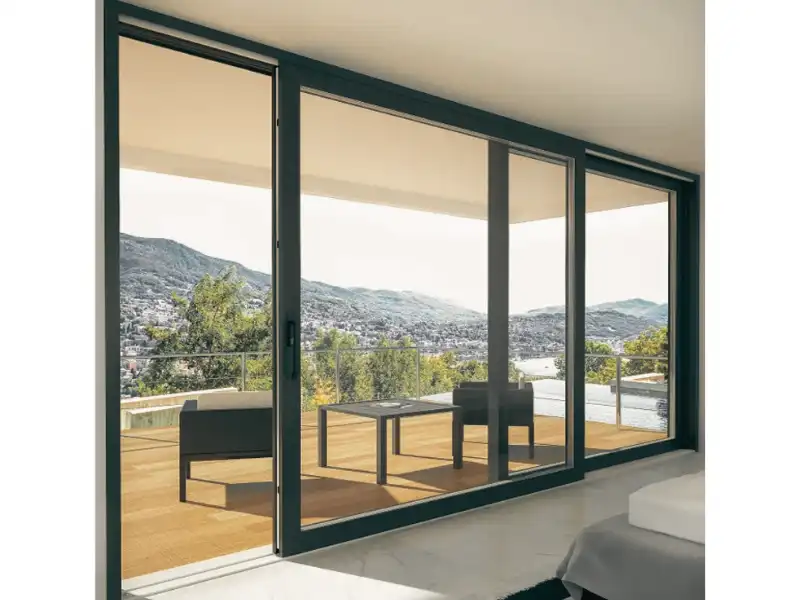
توفر أبوابنا المصنوعة من الألومنيوم ذات الإطار الرفيع للغاية والمصممة للاستخدام المكثف، والتي تعمل بنظام الرفع والانزلاق، إطلالات بانورامية خالية من العوائق، وعزل حراري فائق، ومقاومة للعواصف الرملية، مما يجعلها مثالية للفيلات الفاخرة ومساحات المعيشة الداخلية والخارجية في المملكة العربية السعودية والإمارات العربية المتحدة ودول الخليج الأخرى. اتصل بنا للحصول على حلول مخصصة.
لماذا تُعد الأبواب الألومنيومية القوية ذات نظام الرفع والانزلاق هي الخيار الأفضل؟
بالمقارنة مع الأبواب القياسية المصنوعة من الألومنيوم أو الخشب أو الفولاذ، توفر الأبواب الألومنيومية القوية ذات نظام الرفع والانزلاق إحكامًا فائقًا، وتشغيلًا أكثر سلاسة، ومقاومة أكبر لدرجات الحرارة المرتفعة والرمال التي تحملها الرياح. علاوة على ذلك، يمكن تصنيعها بأبعاد بانورامية ضخمة للغاية، مما يجعلها أكثر أنواع الأبواب الفاخرة المتاحة للاستخدامات الخارجية متانةً ومقاومةً للعوامل المناخية.
فقط أبواب ألمنيوم شديدة التحمل من النوع القابل للرفع والانزلاق يمكنها في آن واحد توفير الرفع التلقائي والإغلاق بالضغط، والتشغيل السهل للألواح الضخمة، والقدرة على التثبيت بإحكام في أي موضع، بالإضافة إلى المزج المثالي بين الأبعاد الواسعة والمانعة للتسرب بشكل استثنائي — وهي مزايا لا يمكن للأبواب القياسية المصنوعة من الألومنيوم أو الخشب أو الفولاذ تحقيقها.
الميزات الرئيسية لأبواب الألمنيوم شديدة التحمل من نوع «SH-EXTRUSION» القابلة للرفع والانزلاق
1. الهيكل الميكانيكي: يكفي تدوير المقبض مرة واحدة ليرتفع إطار الباب تلقائيًا. عند الفتح، ”يرتفع الباب من تلقاء نفسه“ قبل الانزلاق؛ وعند الإغلاق، ”يستقر“ ليضغط بقوة على شرائط الإحكام. حتى لو كان وزن لوح زجاجي واحد يصل إلى مئات الكيلوغرامات، يمكن لامرأة شابة أو جدة مسنة أن تنزله بسلاسة وبدون صوت بيد واحدة فقط، مما يضمن تشغيلًا خاليًا تمامًا من العوائق والضوضاء.
2. الحماية من الرياح والغبار: في حين تعتمد الأبواب العادية على أختام فرشاة — مما يجعلها مسامية مثل «المنخل» في مواجهة الرياح — فإن هذه الأبواب الثقيلة القابلة للرفع والانزلاق توفر إحكامًا محكمًا للهواء بمجرد إغلاقها، تمامًا مثل الغواصة. حتى لو حجبت عاصفة رملية السماء بالخارج، فلن تتسرب ذرة غبار واحدة إلى داخل منزلك.
3. إطلالات بانورامية وخصوصية: يمكن تصنيع ألواح الأبواب المفردة بحيث تصل عرضها إلى عرض الجدار بأكمله، مما يوفر إطلالات بانورامية خالية تمامًا من العوائق على البحر أو المناظر الطبيعية. علاوة على ذلك، يمكن دمج ستائر ذكية بين الألواح الزجاجية، مما يتيح لك حجب الأنظار المتطفلة من الجيران على الفور بلمسة زر واحدة — وهي ميزة مصممة خصيصًا لتلبية احتياجات منطقة المملكة العربية السعودية.
4. القوة الهيكلية: إن مقاطع الألمنيوم المستخدمة أكثر سمكًا وقوة بكثير من تلك الموجودة في الأبواب الألمنيوم القياسية. بفضل استخدام بكرات من الفولاذ المقاوم للصدأ شديدة التحمل، فإن هذا الباب من SH-EXTRUSION يختلف تمامًا عن البدائل الهشة التي تبدأ في الاهتزاز بعد بضع سنوات فقط من الاستخدام؛ بل إنه يوفر ثباتًا صلبًا يمكنك الاعتماد عليه لمدة 30 عامًا.
5. العزل الحراري وتوفير الطاقة: تعمل بنية ”الفاصل الحراري“ الخاصة بها على قطع التبادل بين الحرارة والبرودة بشكل كامل. حتى عندما ترتفع درجة الحرارة الخارجية إلى 50 درجة مئوية، يظل إطار الباب الداخلي باردًا عند لمسه. تساعدك هذه الميزة على توفير ما يقرب من نصف فواتير الكهرباء الخاصة بتكييف الهواء، مما يضمن عدم إهدار أموالك بسبب فقدان الطاقة.
6. سهولة الصيانة اليومية: لا يتطلب الباب أي صيانة مستمرة تقريبًا. فإذا اتسخ، يكفي شطفه بالماء ومسحه بسرعة بقطعة قماش — على عكس التركيبات الرخيصة وذات الجودة المتدنية التي تجعلك «تستمتع» بسلسلة لا تنتهي من فواتير الإصلاح المتتالية.
مزايا أبواب الألمنيوم القابلة للرفع والانزلاق بنظام SH-EXTRUSION مقارنةً بالأنظمة الأخرى
أبواب ألمنيوم منزلقة قياسية:
نظرًا لأن الأبواب الألومنيوم المنزلقة القياسية تعتمد على شرائط فرشاة بسيطة لتحقيق العزل الأساسي، فإنها غير مناسبة للبيئات التي تشهد تباينات كبيرة في درجات الحرارة — مثل الرياض. وفي مثل هذه الظروف، تسمح الفجوات الليفية في شرائط الفرشاة لموجات الحرارة والرمل الناعم بالتسلل إلى الداخل بحرية، كما لو كانت تمر عبر منخل.
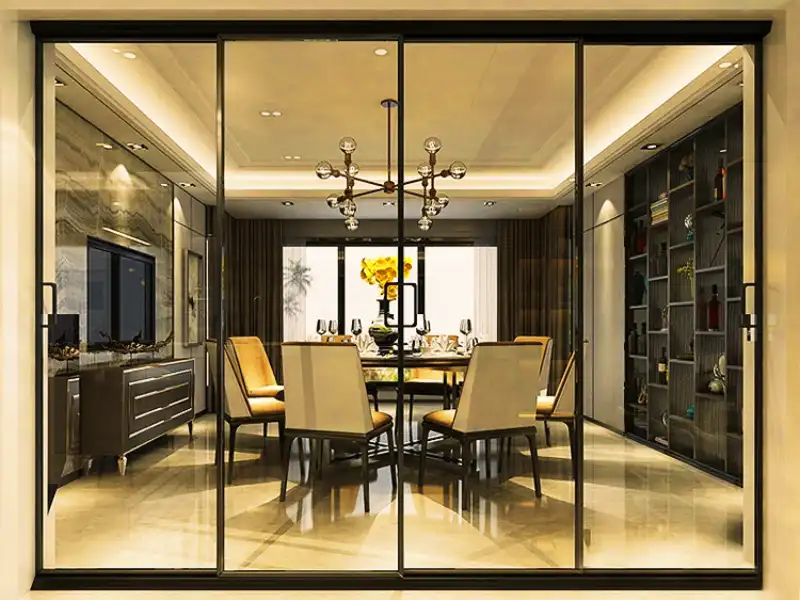
باب منزلق من الألومنيوم ذو إطار فائق النحافة، مخصص لغرفة الطعام في الفيلات الفاخرة في السعودية والإمارات، باب داخلي وخارجي عصري بتصميم مفتوح
مزايا الأبواب الرافعة والمنزلقة:تعمل هذه الأبواب بشكل مشابه لفتحة غواصة. فعند إغلاقها، تنزل اللوحة الضخمة للباب — التي يبلغ وزنها مئات الكيلوغرامات — عموديًا لتشكل إغلاقًا محكمًا، حيث تضغط بقوة على أربعة شرائط مانعة للتسرب مصنوعة من مادة EPDM. وهذا يضمن عدم دخول الرمل وعدم تسرب الهواء البارد.
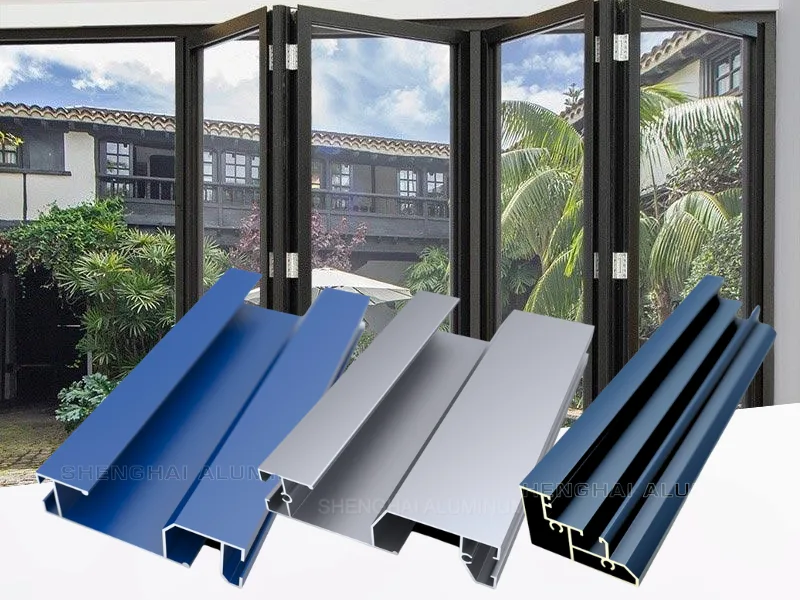
أبواب ألمنيوم قابلة للطي:
ورغم سعيهم إلى تقديم تصميم بصري «مفتوح بالكامل»، فإن المناخ القاسي في المنطقة العربية الذي تصل درجة الحرارة فيه إلى 50 درجة مئوية يكشف عن عيب خطير: فالخطوط الرأسية العديدة تتوسع بسبب التمدد الحراري، لتصبح فعلياً «طرقاً سريعة» يمكن من خلالها للرمال وموجات الحرارة أن تخترق الأجزاء الداخلية دون عائق.
مزايا الأبواب القابلة للرفع والانزلاق: فهي تمثل شكلاً بسيطاً لكنه قوي من أشكال الحماية. بالنسبة لحجم الفتحة المحدد، لا يتطلب نظام الرفع والانزلاق عادةً سوى لوحين شديدين التحمل، مما يقلل عدد نقاط التسرب المحتملة إلى الحد الأدنى المادي المطلق. علاوة على ذلك، تستخدم هذه الأبواب مقاطع من الألومنيوم 6063-T6 عالية الكثافة التي تظل صلبة كالجبل في ظل التقلبات الشديدة في درجات الحرارة، مما يضمن عدم حدوث أي التواء أو تشوه على الإطلاق.
الأبواب المفصلية:
بالمقارنة مع الأبواب المفصلية التقليدية - التي تعاني من عيبٍ مادي يتمثل في أن هيكلها المعلق بالمفصلات يجعلها عرضةً للترهل أو عدم المحاذاة تحت تأثير الجاذبية ودرجات الحرارة العالية عند تصنيعها بأبعاد كبيرة - فإن باب الرفع والانزلاق يُعدّ "بطل رفع الأثقال" في عالم الأبواب. فهو يوزع الحمل بالكامل بالتساوي على مجموعة من البكرات المصنوعة من الفولاذ المقاوم للصدأ 316 والمثبتة في الأسفل.
مزايا الباب المنزلق والرافع:إنها بلا منازع بطلة رفع الأثقال في عالم أبواب الألمنيوم. يتم توزيع الوزن بالكامل بالتساوي على طول المسار بواسطة بكرات التحميل المصنوعة من الفولاذ المقاوم للصدأ 316 والمثبتة في الأسفل، مما يسمح بالتعامل مع ألواح الأبواب المفردة التي يصل عرضها إلى 3 أمتار بكل سهولة.
أبواب محورية من الألومنيوم:
رغم ما تتمتع به الأبواب المحورية المصنوعة من الألومنيوم من جمال معماري مميز، إلا أن تصميمها الهيكلي يخلق فجوات غير محكمة الإغلاق عند الحواف العلوية والسفلية. في ظل فروق الضغط العالية التي تميز البيئات الصحراوية، تتحول هذه الفجوات إلى قنوات يتدفق عبرها الرمل الناعم كالسائل. ونتيجة لذلك، تُعدّ هذه الأبواب كارثة هندسية في مجال منع التسرب، وهي غير مناسبة إطلاقاً للاستخدام الخارجي في المنطقة العربية.
مزايا الباب المنزلق والرافع: وهو بمثابة حارس "على المستوى الذري" للحدود. ويستخدم تجويفًا واسعًا "استراحة حراريةهيكلٌ - يضم شريط عزل حراري من مادة PA66GF25 - لا يُشكّل حاجزًا منيعًا ضد الرمال والغبار فحسب، بل يقطع أيضًا مسار التوصيل الحراري فعليًا. وهذا يُمثّل حلًا هندسيًا بامتياز.
ما وراء الألومنيوم: هل الأبواب المصنوعة من مواد أخرى مناسبة للمنطقة العربية السعودية؟
لا يمكن لأي شيء أن يصمد أمام عواصف الرمال وموجات الحر الشديدة إلا أبواب الألمنيوم المتينة ذات العزل الحراري، والتي تتميز بحماية فائقة ضد التآكل والصدأ وانتقال الحرارة الشديد. فهي الخيار الأمثل للمملكة العربية السعودية: متينة للغاية، موفرة للطاقة، ومصممة لتدوم لعقود.
أبواب خشبية: في ظل حرارة السعودية الجافة، التي تتجاوز في كثير من الأحيان 50 درجة مئوية، يتبخر الماء الموجود في الخشب بسرعة، مما يؤدي إلى تكسر الألياف وتشقق المادة. علاوة على ذلك، لا توفر هذه الأخشاب أي حماية ضد النمل الأبيض الشره المتوطن في الصحاري القاحلة؛ وبالتالي، ينخفض عمرها الافتراضي إلى ما بين سنتين وأربع سنوات فقط، مما يجعلها مجرد "مادة استهلاكية".
أبواب فولاذية عادية: يُعدّ الفولاذ موصلاً حرارياً ممتازاً؛ ففي ظلّ شمس الصحراء الحارقة، قد ترتفع حرارة مقابض الأبواب إلى درجة تُشكّل خطراً على الجلد. وسواءً تعرّضت لحرارة الرياض اللاهبة أو رذاذ جدة المالح، فإنها تعمل في آنٍ واحدٍ كمشتت حراري لأجهزة التكييف الداخلية، وتتعرض في الوقت نفسه للتآكل الكهروكيميائي، فتتغطى بطبقة سميكة من الصدأ في غضون عام أو عامين فقط.
أبواب بلاستيكية فولاذية / أبواب يو بي في سي: تحت وطأة الأشعة فوق البنفسجية الشديدة في مناخ الجزيرة العربية، تتحول هذه الأبواب إلى اللون الأصفر وتصبح هشة في غضون عامين، فتتفتت إلى غبار عند أدنى لمسة، تمامًا كالبسكويت الجاف. وعندما ترتفع درجات الحرارة في الصيف إلى 50 درجة مئوية، يلين البلاستيك ويفقد شكله، مما يؤدي إلى عدم محاذاة وصلات الأبواب ومنعها من الإغلاق بشكل صحيح.
أبواب ألمنيوم داخلية قياسية / غير عازلة للحرارة (منخل الطاقة): تعمل هذه الأبواب بشكل أساسي كـ "مصفاة حرارية". إن غياب هيكل عازل حراري يعني أن الموجات الحرارية يمكن أن تخترق مباشرة عبر قطاعات الألمنيوم، مما يؤدي فعلياً إلى مضاعفة استهلاك الطاقة لتكييف الهواء الداخلي.
ما هي المدن في المملكة العربية السعودية الأنسب لأبواب الألمنيوم الثقيلة ذات آلية الرفع والانزلاق من نوع SH-EXTRUSION؟
1. الرياض
— العاصمة والمنطقة القاحلة الداخلية
بيئة: حرارة شديدة (أكثر من 50 درجة مئوية في الصيف)، وجفاف شديد، وعواصف رملية ذات ضغط عالٍ.
لماذا هو مناسب؟ الرياض هي المدينة الأكثر حرارة في المملكة العربية السعودية. تستخدم الأبواب المنزلقة شديدة التحمل آلية ميكانيكية تُغلق عند الإغلاق؛ فعند إغلاقها، يضغط إطار الباب على أشرطة الإغلاق بقوة محكمة تُشبه قوة طنجرة الضغط. بهذه الطريقة فقط يُمكن منع الغبار الناعم الشبيه بالدخان، والذي يميز الرياض، من التسلل إلى المنزل.
2. جدة
— المركز التجاري على ساحل البحر الأحمر
التحديات البيئية: درجات حرارة عالية، ورطوبة عالية، ورذاذ ملحي شديد التآكل.
لماذا هو مناسب؟ تقع جدة على شاطئ البحر الأحمر مباشرة، ولذلك يتميز هواءها بنسبة عالية جداً من الملح. SH-EXTRUSION تمثل الأبواب المصنوعة من الألومنيوم شديد التحمل - والتي تتميز بسطح مؤكسد بسمك 25 ميكرومتر ومسارات تحمل الأحمال مصنوعة من الفولاذ المقاوم للصدأ 316 - الحل الوحيد القادر على تحمل الهجوم المسبب للتآكل الناتج عن رذاذ البحر الأحمر المالح دون أن تستسلم للصدأ.
3. الدمام / الخبر
— مراكز النفط في المقاطعة الشرقية
التحديات البيئية: مناخ صحراوي ساحلي نموذجي، يتميز بالهجوم المزدوج المتمثل في الرطوبة العالية وموجات الحر الشديدة.
لماذا هو مناسب؟ تضم هذه المنطقة عدداً كبيراً من الفيلات الفاخرة التابعة لشركة أرامكو السعودية. وتساهم الأبواب المنزلقة ذات العزل الحراري المتين في منع موجات الحر الخارجية بشكل فعال، مما يقلل من استهلاك الطاقة لأجهزة التكييف بأكثر من 40%.
4. نيوم
— المدينة المستقبلية لرؤية 2030
التحديات البيئية: مناخ ساحلي معقد، إلى جانب معايير صارمة للغاية فيما يتعلق بالجماليات المعمارية والامتدادات الهيكلية.
لماذا هو مناسب؟ باعتبارها ربما أكثر مواقع البناء طموحًا على كوكب الأرض، تولي نيوم أولوية قصوى لـ "المناظر البانورامية الواسعة". القدرة على تحمل الأحمال SH-EXTRUSION تتيح الأبواب المنزلقة والرافعة تصميمات ضخمة ذات إطار واحد - يصل عرضها إلى 3 أمتار وارتفاعها إلى 4 أمتار.
5. المدينة المنورة / مكة المكرمة
— المركز الديني
التحديات البيئية: الاستخدام المتكرر للغاية بالتزامن مع درجات حرارة عالية.
لماذا هو مناسب؟ تضم هذه المدن عدداً هائلاً من الفنادق والمرافق العامة. يتميز الهيكل الميكانيكي للأبواب المنزلقة ذات الخدمة الشاقة بمتانة أكبر بكثير من الأبواب المنزلقة العادية.
كيف تتجنب اختيار أبواب الألمنيوم الخاطئة في الشرق الأوسط؟
في بيئة الشرق الأوسط القاسية، تُعدّ النوافذ والأبواب بمثابة تحصينات دفاعية للمباني. يجب عليك الالتزام التام بالمبادئ الأساسية التالية:
1. رفض الملفات الشخصية "غير المتضررة حرارياً": هذه تصميمات مخصصة للأبواب الداخلية. في درجات حرارة تصل إلى 50 درجة مئوية، تعمل قطاعات الألمنيوم القياسية كمشتتات حرارية ضخمة. وبدون هيكل عازل حراري - وتحديدًا هيكل مصنوع من نايلون PA66GF25 - ستنتقل موجات الحرارة الخارجية مباشرةً إلى الداخل دون أي عائق.
2. تجنب استخدام التشطيبات الرشية القياسية: تُعدّ شدة الأشعة فوق البنفسجية في المنطقة العربية مدمرة. فالطلاءات القياسية المطلية بالبودرة تتقشر وتتلاشى ألوانها في غضون عامين فقط. ولضمان بقاء مدخل منزلك بمظهر جديد تمامًا، فإنّ الطلاء المؤكسد بسماكة 25 ميكرومتر أو أكثر هو "الحماية" الوحيدة الفعّالة من أشعة الشمس.
3. لا تبخل على الأجهزة: في المدن الساحلية كجدة ودبي، يعمل رذاذ الملح كحمض الكبريتيك، مُسبباً تآكل المعادن الرديئة. لذا، عليك الإصرار على استخدام الفولاذ المقاوم للصدأ من الدرجة 304، أو حتى الدرجة 316؛ وإلا ستواجه قريباً موقفاً محرجاً يتمثل في باب لا يُفتح أو قفل لا يُغلق.
4. الإغلاق والصرف: لا يُجدي نظام العزل أحادي الطبقة نفعًا أمام عاصفة رملية، فهو أشبه بمنخل. فبدون نظام عزل متعدد الطبقات (باستخدام حشوات EPDM)، سيتدفق الرمل كالسائل. علاوة على ذلك، وبدون تصميم تصريف مقاوم للانسداد، قد تتدفق مياه الأمطار عكسيًا إلى غرفة المعيشة في غضون عشر دقائق فقط.
5. لا تخاطر بإجراءات التخليص الجمركي: في المملكة العربية السعودية، بدون شهادة SASO أو GCC سارية المفعول، لن يتم تخليص شحنتك في الميناء. وقد تتسبب الغرامات الجمركية وتكاليف الشحن العكسي في إفلاسك في لحظة.
6. احترام "معايير الخصوصية" المحلية: في العالم العربي، تُعتبر خصوصية الأسرة أمراً بالغ الأهمية. إن تركيب نوافذ كبيرة وشفافة تمتد من الأرض إلى السقف في غرفة النوم دون توفير حلول للخصوصية - مثل الزجاج أحادي الاتجاه، أو الستائر المدمجة، أو التشطيبات المصنفرة - يُظهر تجاهلاً لأسلوب حياة العميل وعاداته الثقافية.
7. قل لا للألمنيوم الرقيق كالورق: لا تنخدع بالأسعار المنخفضة لاختيار قطاعات الألمنيوم الرقيقة (أقل من 1.4 مم). فارتفاع درجات الحرارة يتسبب في انحناء هذه القطاعات الرقيقة وتشوهها. SH-EXTRUSION يوصي باستخدام سماكة 2.0 مم أو أكثر للأبواب شديدة التحمل.
أسئلة شائعة عند اختيار أبواب الألمنيوم بتقنية البثق SH
1. لماذا يُعدّ الألمنيوم المعالج حرارياً ضرورة في المنطقة العربية؟
يُعدّ الألمنيوم العادي موصلاً حرارياً عالي الكفاءة؛ ففي ظلّ أشعة الشمس الحارقة التي تصل حرارتها إلى 50 درجة مئوية، قد يتسبب إطار الألمنيوم بحروق بالغة. ولا يُلجأ إلى نظام العزل الحراري لأسباب بيئية، بل لتوفير تكاليف الكهرباء الباهظة المرتبطة بتكييف الهواء.
2. ما هو الفرق الفعلي في العمر الافتراضي بين طلاء PVDF وطلاءات التشطيب القياسية؟
تحت تأثير الأشعة فوق البنفسجية الشديدة، تبدأ طبقات الطلاء العادية بالتلاشي والتقشر في غضون عامين فقط. أما طبقات الفلوروكربون PVDF أو التشطيبات المؤكسدة بسمك 25 ميكرومتر أو أكثر، فتُعدّ من بين أفضل الخيارات. SH-EXTRUSION يمكنه تحمل الظروف الجوية لمدة عشر سنوات على الأقل دون أن يتغير لونه.
3. هل أبواب الألمنيوم المزودة بستائر مدمجة مناسبة حقاً للعائلات المسلمة المحلية؟
إنها تحفة فنية في سوق الشرق الأوسط. تُولي العائلات العربية أهمية كبيرة للخصوصية، إلا أن الستائر التقليدية تميل إلى تراكم الغبار. أما الستائر المدمجة داخل وحدة الزجاج فتُحل مشكلة الخصوصية وتمنع دخول الرمال الناعمة.
4. في المناطق الساحلية مثل الإمارات العربية المتحدة والمملكة العربية السعودية، ما هو العامل الأكثر أهمية؟
الحماية من التآكل الكهروكيميائي. يجب الحرص على استخدام مسارات من الفولاذ المقاوم للصدأ من الدرجة 316 ومعدات بحرية لتحمل نسائم البحر في جدة.
5. كيف يمكن منع دخول الرمال في منطقة صحراوية؟
الأبواب المنزلقة العادية أشبه بالمنخل. الحل الأمثل هو تركيب أبواب انزلاقية متينة تعمل بالرفع. عند الإغلاق، تعمل آلية الضغط لأسفل على تثبيت ضلفة الباب بإحكام على شريط الإحكام لمنع دخول الرمال فائقة النعومة.
6. كم من الوقت يمكن أن يدوم هذا النوع من الأبواب المصنوعة من الألومنيوم شديد التحمل بشكل واقعي؟
إذا اخترت SH-EXTRUSION المواصفات الموصى بها - على وجه التحديد، سمك جدار 2.0 مم، وطلاء PVDF، وأجهزة من الفولاذ المقاوم للصدأ من الدرجة 316 - ستدوم بسهولة لمدة 20 إلى 30 عامًا.
7. عند التقدم بعطاءات لمشاريع الفيلات، ما هي المتطلبات الإلزامية المطلقة؟
في المملكة العربية السعودية، يُعدّ الحصول على شهادة SASO شرطًا أساسيًا لا يُمكن التنازل عنه. أما في الإمارات العربية المتحدة، فإذا لم تستوفِ قيمة معامل انتقال الحرارة (U-Value) متطلبات المناقصة، فلن يتم قبول المشروع. علاوة على ذلك، يجب أن يتضمن تقرير اختبار مقاومة الرياح محاكاة لمقاومة الرمال والغبار.