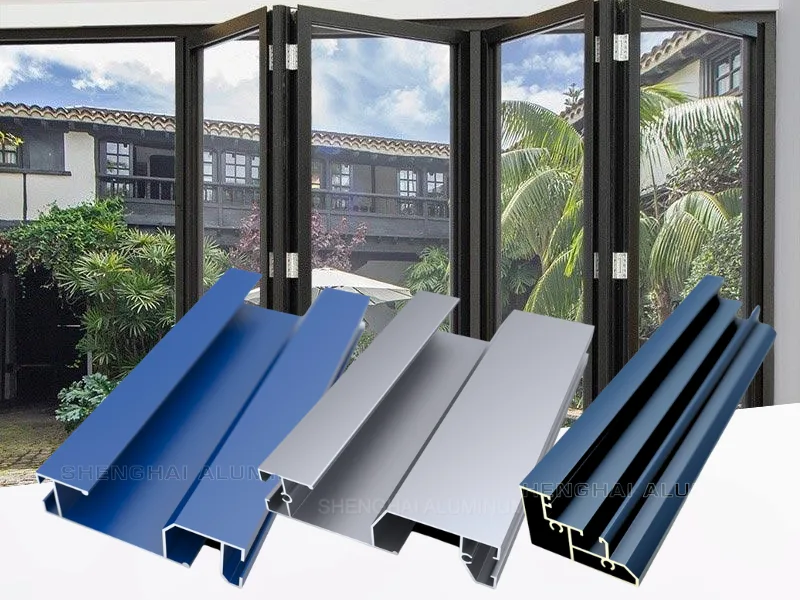

في حين أن الأبواب والنوافذ الخشبية قد تتشقق وتتشوه تحت حرارة السعودية الحارقة التي تصل إلى 50 درجة مئوية، فإن البدائل البلاستيكية قد تصبح هشة ومتفتتة تحتها الكويتإشعاع الأشعة فوق البنفسجية الشديد، أبواب ونوافذ من الألومنيوم - مصنوعة من 6063-T6 alloyتتميز هذه الأبواب والنوافذ بثبات هيكلي استثنائي. ففي المناطق الساحلية ذات الملوحة العالية كالإمارات العربية المتحدة وقطر، تصدأ المعادن العادية بسرعة؛ ولا يمكن منع التآكل على المستوى الذري إلا باستخدام أبواب ونوافذ من الألومنيوم المعالج بطبقة أنودة بحرية بسمك 25 ميكرومتر. إن اختيار هذا التصميم "المُختار بدقة" ليس لمجرد المظهر الجمالي، بل والأهم من ذلك، لتجنب تكاليف الصيانة الباهظة في المستقبل.
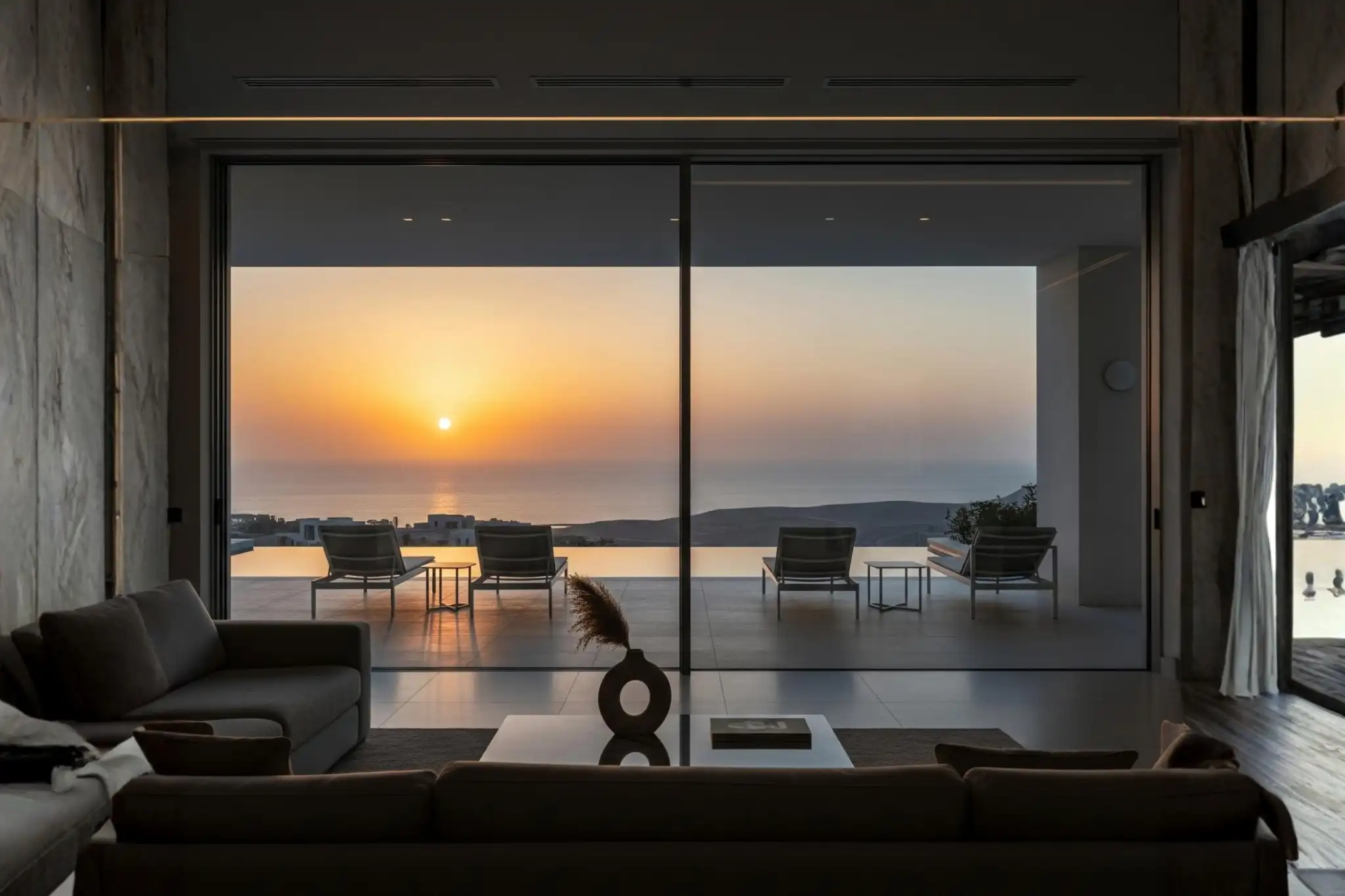
تحليل فني للأبواب والنوافذ المصنوعة من الألومنيوم 6063-T6. اكتشف لماذا تُعدّ الفواصل الحرارية المصنوعة من مادة PA66GF25 والأسنان الدقيقة ضرورية لتحقيق الاستقرار الهيكلي عند درجة حرارة 50 درجة مئوية.
لماذا لا تنقل نوافذ الألمنيوم ذات الموصلية الحرارية العالية الحرارة إلى الداخل؟
أنت محق تمامًا؛ فالألومنيوم يتمتع بالفعل بموصلية حرارية ممتازة - من الناحية الفيزيائية، تبلغ موصليته الحرارية حوالي 237 واط/(متر·كلفن). إذا قمت بصنع نافذة باستخدام قطعة واحدة متصلة من الألومنيوم، فستعمل بالفعل كمدفأة داخلية عالية الكفاءة خلال أشهر الصيف. والسبب في بقاء الجزء الداخلي باردًا هو أننا أخضعنا قطاع الألومنيوم لعملية... "التفكيك الهيكلي".
يبقى الجزء الداخلي بارداً بفضل الدور المهم الذي تلعبه تقنية "العزل الحراري".
يجب عليك الاعتراف بشكل مباشر بالخصائص الفيزيائية المتأصلة للألمنيوم: "نعم، الألمنيوم يفعل توصيل الحرارة - ولكن هذا تحديدًا هو المجال الذي نُطبّق فيه براعتنا الهندسية. تخيّل قطعة واحدة من الألومنيوم تربط الداخل بالخارج كـ"طريق سريع" لتدفق الحرارة. ما هو حلّنا؟ نقوم بتفجير الطريق. تُعرف هذه التقنية باسم استراحة حرارية.
كيف تعمل تقنية "الفاصل الحراري" بالضبط؟
يكمن جوهر "العزل الحراري" في قطع قطاع واحد متصل من سبائك الألومنيوم من المنتصف تمامًا، مما يؤدي إلى تقسيمه إلى نصفين منفصلين - قسم داخلي وقسم خارجي. ثم نقوم بإدخال مادة عازلة حراريًا في هذه الفجوة؛ وبذلك، يحقق باب أو نافذة الألومنيوم تأثير العزل الحراري.
ما هي العوامل الرئيسية التي تؤثر على أداء العزل الحراري لنظام "الفاصل الحراري"؟
شريط العزل الحراري: يعمل هذا كجدار ناري قوي، يحجب بفعالية موجات الحرارة الحارقة القادمة من الخارج، ويضمن بقاء الإطار الداخلي المصنوع من الألومنيوم باردًا عند اللمس. — نوصي باستخدام PA66GF25 شرائط العزل الحراري.
هيكل متعدد التجاويف: يُنشئ التصميم متعدد التجاويف حواجز هوائية متعددة. وبما أن الهواء الراكد يعمل كعازل طبيعي، فإن هذا الهيكل يُطيل مسار انتقال الحرارة بفعالية، مما يُحقق عزلًا حراريًا فائقًا. علاوة على ذلك، يمكن ملء الحجرات المختلفة داخل هذا الهيكل بمادة رغوية من الإيثيلين بروبيلين ديين مونومر (EPDM)؛ مما يمنع دوران الهواء ويُقلل انتقال الحرارة. — المادة المُوصى بها: سبيكة الألومنيوم 6063-T6.
حشوات مانعة للتسرب: تُتيح شرائط الإحكام عالية الجودة إحكامًا ضاغطًا عالي الجودة. وبدون هذا الحاجز الواقي، يصبح نظام العزل الحراري باهظ الثمن عديم الكفاءة، تمامًا كتشغيل مكيف الهواء مع فتح النوافذ، مما يسمح للحرارة بتجاوز شرائط العزل الحراري والتدفق مباشرةً إلى الداخل. — المادة الموصى بها: مطاط EPDM (إيثيلين بروبيلين ديين مونومر).
زجاج عازل للأبواب والنوافذ: يعمل الطلاء الثلاثي الفضي منخفض الانبعاثية كمرشح على المستوى الذري لحجب الإشعاع الحراري الشمسي. بدون هذا الحاجز، فإن نوافذ وأبواب ممتدة من الأرض إلى السقف ستعمل هذه الأجهزة فعلياً كسخانات داخلية تعمل على مدار الساعة، مما يجعل نظام العزل الحراري باهظ الثمن عديم الفائدة تماماً ضد الحرارة الإشعاعية. — المواصفات الموصى بها: زجاج عازل مقسّى ثلاثي الطبقات منخفض الانبعاثية مملوء بغاز الأرجون بنسبة 90%.
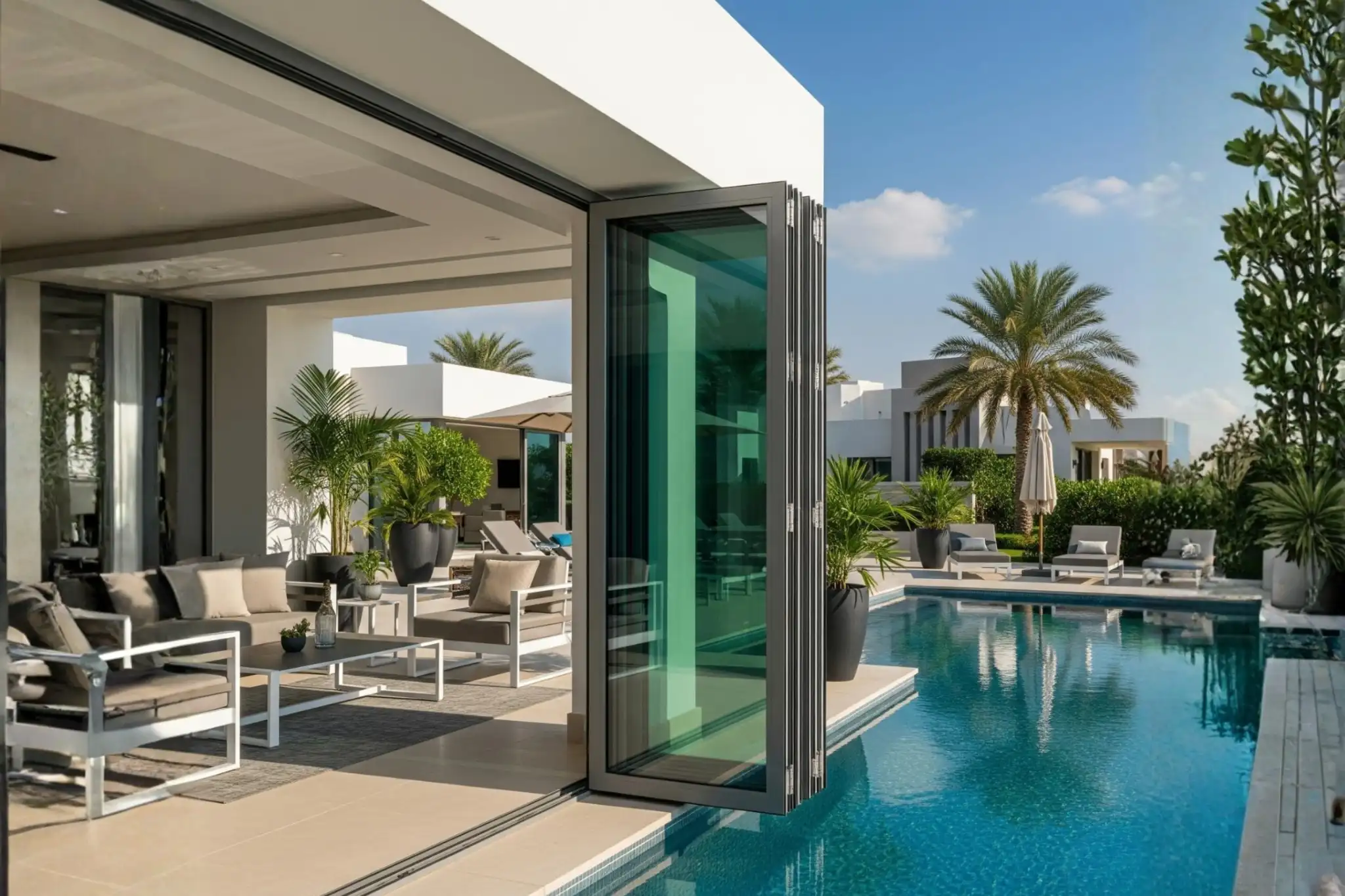
الخيار الأمثل لفيلات المسابح الفاخرة وبيوت العطلات في دبي. أبوابنا الزجاجية القابلة للطيّ بالكامل تُزيل تمامًا الحدود بين الداخل والخارج، لتُوسّع مساحة معيشتك مباشرةً إلى مسبحك الخاص. مصنوعة من الألمنيوم عالي المتانة ذي العزل الحراري والزجاج العازل الممتاز لضمان المتانة والراحة.
أبواب ونوافذ ألمنيوم: المواصفات الفنية للتدفئة في الشرق الأوسط
لماذا لا نحشو بعض البلاستيك العشوائي هناك؟
لأن أشعة الشمس الحارقة في الشرق الأوسط ستذيب - أو تتدهور بشدة - أي مواد رخيصة ورديئة.
يشعر العديد من الأشخاص العاديين بالقلق: إذا تم قطع إطار الألمنيوم ثم إعادة توصيله باستخدام شرائط النايلون، ألن تفتقر النافذة إلى السلامة الهيكلية؟
لا على الإطلاق. التجاويف الداخلية لـ قطاع ألومنيوم ليست مجرد فراغات جوفاء، بل تتميز ببنية داخلية معقدة. تحديدًا، تُزود الجدران الداخلية للتجاويف بأخاديد مسننة. تُقطع هذه الأخاديد بدقة متناهية باستخدام آلة خاصة بعد تبريد قطاع الألمنيوم. تسمح هذه الأخاديد للقطاع بالالتصاق بإحكام بشريط النايلون. بعد ذلك، تقوم آلة دحرجة بالضغط على حواف قطاع الألمنيوم وثنيها للداخل، مما يضمن رابطة قوية لا تنفصم بين الألمنيوم وشريط النايلون. هذا التركيب المتين قادر على تحمل وزن أبواب ونوافذ تصل إلى مئات الكيلوغرامات، مما يضمن قوة هيكلية استثنائية.
هل ستتمدد شرائط النايلون، مما يؤدي إلى تمدد قطاعات الألمنيوم معها؟
يمكن أن تُحدث شرائط النايلون العادية هذا التأثير بالفعل. ولا تقتصر هذه المشكلة على التمدد خلال أشهر الصيف؛ ففي الشتاء، قد يؤدي انكماش شرائط النايلون أيضًا إلى سحب قطاعات الألمنيوم إلى الداخل. ومع ذلك، PA66GF25 يتصرف بشكل مختلف؛ إذ تعمل نسبة 25% من الألياف الزجاجية على تنظيم معامل التمدد الحراري الكلي، مما يجعله قريبًا جدًا من معامل التمدد الحراري لقطاعات الألمنيوم. ولعدم وجود إجهاد داخلي بين المادتين، فإن قطاعات الأبواب والنوافذ المصنوعة من الألمنيوم العازل للحرارة لا تخضع للتمدد الحراري.
لماذا لا تتلف الأبواب والنوافذ المصنوعة من الألومنيوم عند وجودها بالقرب من البحر؟
يعود ذلك إلى خضوع سبيكة الألومنيوم لتقنيات معالجة سطحية متخصصة. تُشكّل سبيكة الألومنيوم بشكل طبيعي طبقة رقيقة من الأكسيد على سطحها، مما يمنعها -إلى حد ما- من التفاعل مع الهواء. وبالمقارنة مع الخشب والبولي فينيل كلوريد (PVC) وغيرها من المواد المعدنية، تتمتع سبيكة الألومنيوم بثبات فائق. ومع ذلك، في المناطق التي تتميز بمستويات عالية من رذاذ الملح -مثل... دبي أو سلطنة عمانإن الاعتماد على هذا الغشاء الرقيق المتكون طبيعياً وحده غير كافٍ. لذلك، يجب معالجة سطح سبيكة الألومنيوم بمعالجة إضافية. وأفضل طريقة لذلك هي الأنودة، التي تُكوّن طبقة أكسيد واقية سميكة قادرة على تحمل بيئات ذات رذاذ ملحي كثيف لمدة تتراوح بين 20 و30 عاماً.
ماذا يحدث عند هبوب عاصفة رملية؟ هل تبقى الأبواب والنوافذ المصنوعة من الألومنيوم ثابتة؟
تتحمل الأبواب والنوافذ المصنوعة من الألومنيوم العواصف الرملية بسهولة تامة. ورغم أن إطاراتها خفيفة الوزن نسبياً، إلا أنها تتمتع بصلابة استثنائية.
سبائك الألومنيوم صلبة بطبيعتها
نستخدم سبيكة الألومنيوم 6063-T6. بالمقارنة مع التصليد القياسي T5، يوفر التصليد T6 صلابة وقوة خضوع أعلى بكثير. علاوة على ذلك، يتم بثق قطاعات الألومنيوم باستخدام قالب ضخم. مكبس بقوة 3600 طن تتميز هذه الإطارات ببنية حبيبية داخلية كثيفة للغاية. وعند دمجها مع تصميم بسماكة جدار تبلغ 2.0 مم أو أكثر، فإنها تبقى ثابتة أثناء العواصف الرملية - تمامًا مثل عارضة فولاذية متجذرة بعمق في الأرض - وتبقى بلا حراك على الإطلاق.
تقاوم المعالجات السطحية التآكل الناتج عن الرياح والرمال.
لا تكمن القوة التدميرية الأكبر للعاصفة الرملية في سرعة الرياح فحسب، بل في جزيئات الرمل المحمولة في الهواء. فبفعل الرياح العاتية، تُطلق هذه الجزيئات قوة تدميرية هائلة؛ إذ تعمل كسكاكين لا حصر لها تشق الهواء، ومع مرور الوقت، يُؤدي احتكاكها المستمر إلى تمزيق الأبواب والنوافذ غير المعالجة. ونتيجة لذلك، الأسطح المعالجة مع أنودة 25 ميكرومتر أو أن طلاء PVDF (طلاء الفلوروكربون) يمتلك صلابة موس كافية لتحمل الاحتكاك المطول الناتج عن جزيئات الرمل.